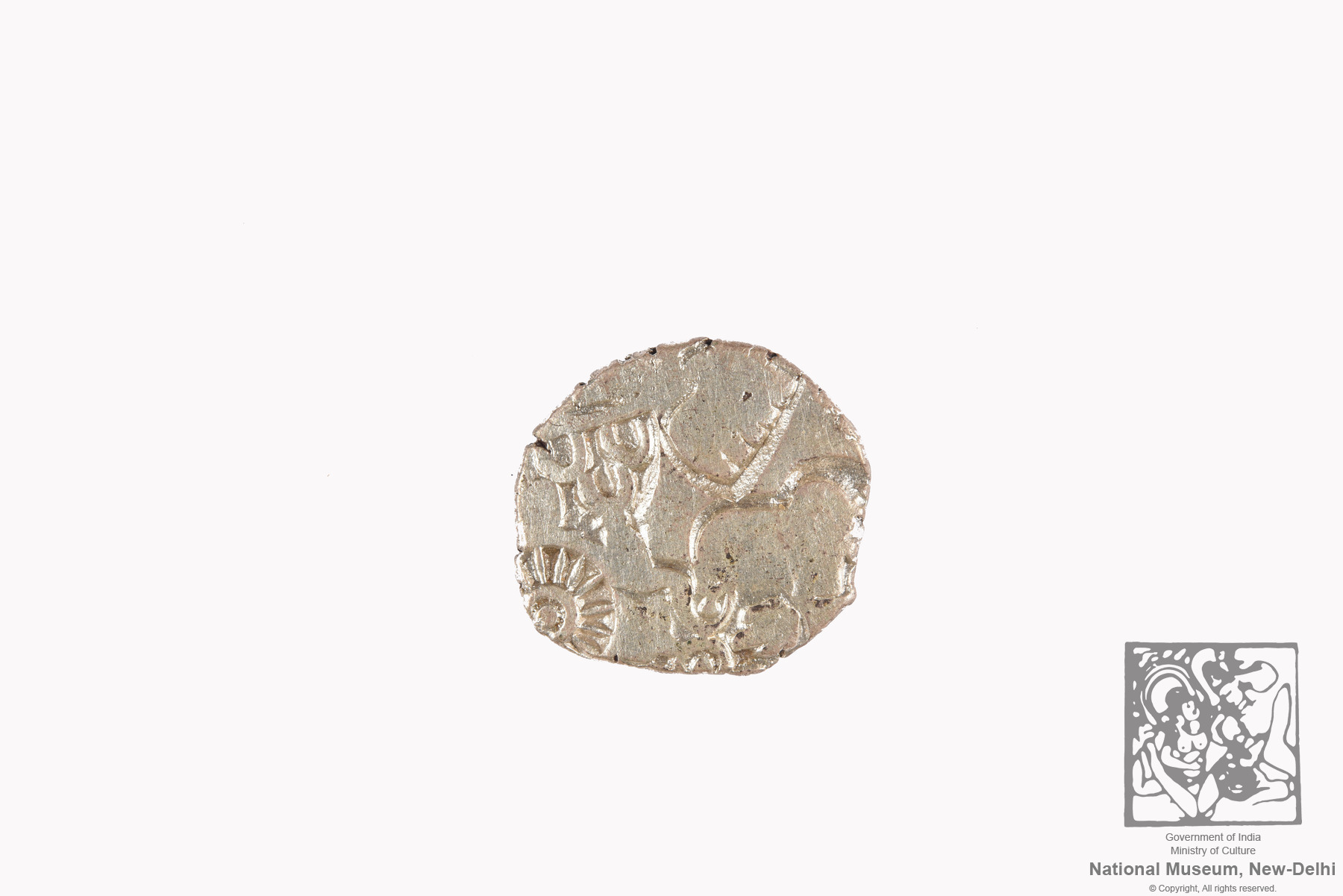
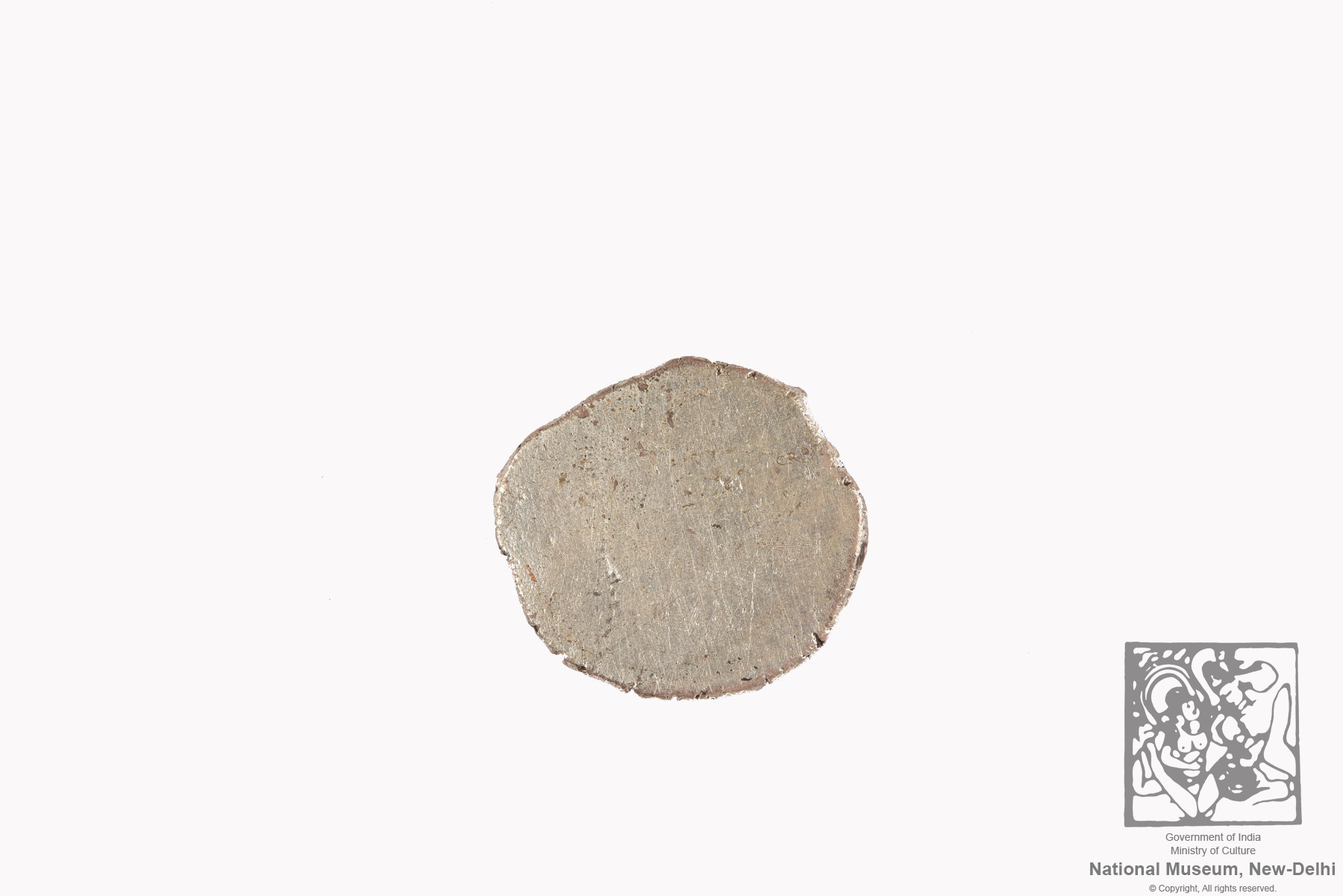
The term ‘Punch mark coins’ was first coined by James Prinsep in the year 1835 C.E. Vast majority of scholars believe that the earliest Punch Marked coins were issued by silver smith or bankers, but later on, the state took over the responsibility for issuing coins and it its prerogative.
Detailed Description
South Asia has been the cradle of human civilisation since time immemorial. The river basins on the North and North western parts on India have been occupied by humans since 5000 B.C.E. These people engaged in trade and commerce with people from several other parts of the world including other civilisations. Trading was initially done by using Barter system but, with the advent of more complex economic transactions the coins became the medium of commercial exchange.
According to archaeological evidences the earliest coins in India date back to 6th-5th Century B.C.E. These are the famous Punch marked coins mainly made of silver and copper. Mostly rectangular in shape, occasionally square or round with symbols. These symbols were impressed by separate punches at various points on the surface of the coin.
They often overlap and on certain coins where the symbols are numerous, this overlapping results in a confused jumble. Rarely are obverse and reverse both the surfaces of the coin equally crowded with symbols. These symbols are regarded as the official guarantee of the validity of the coin and are considered, variously, as of religious or mythological in nature, or as official marks or symbols of the ruling dynasty or king, or as marks of bankers.